Bold ideas become real-world solutions at Intellectual Ventures Laboratory. We specialize in rapid, end-to-end invention prototyping, from concept to creation, all under one roof.
Learn More
Bold ideas become real-world solutions at Intellectual Ventures Laboratory. We specialize in rapid, end-to-end invention prototyping, from concept to creation, all under one roof.
Learn More
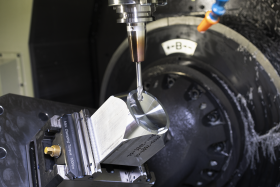
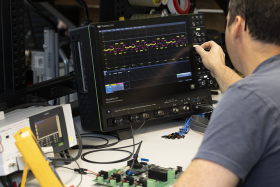
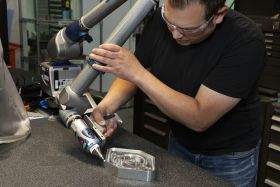
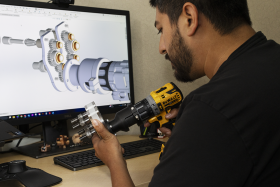
We are a team of engineers, machinists, electronics technicians, and designers with decades of experience and a shared passion for solving complex problems. Our 20-person team brings deep expertise across electronics, manufacturing, scientific testing, welding, and inspection. We partner with your engineers and scientists to solve challenging problems, getting their ideas into your hands sooner with practical real-world solutions. Simply put, we facilitate innovation.
Meet Our TeamLearn More